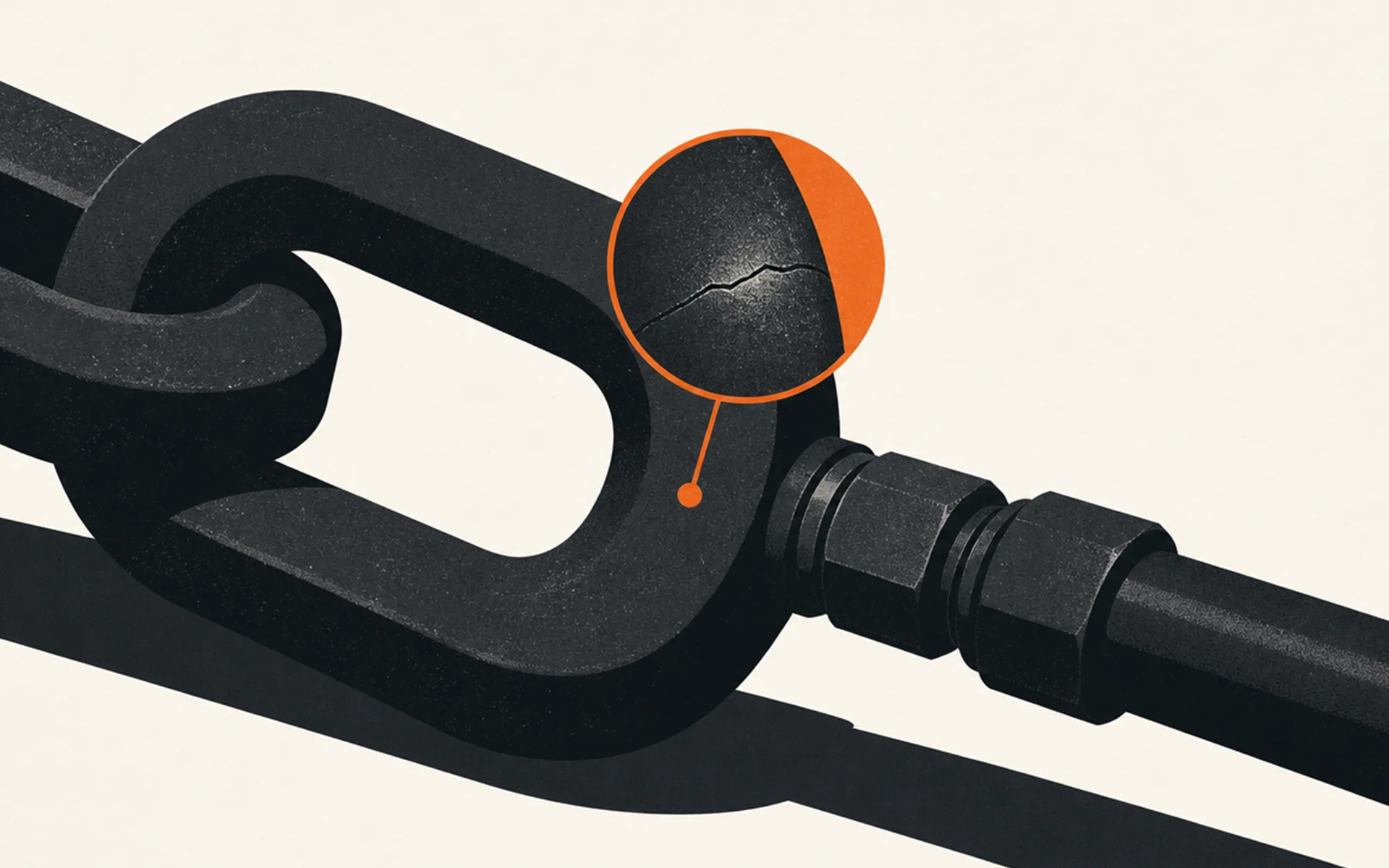
5 Warning Signs Your Car-Hauler Hydraulics Are About To Fail
Five signs your car-hauler hydraulics are about to fail — slow decks, weeping seals, drifting cylinders — and why catching them early keeps you earning.
Last updated on
July 27, 2026
On a car hauler, the hydraulics are the job. The cylinders that lift your decks, tilt your ramps, and hold a loaded car in place are what make it a car hauler — and they almost never quit all at once. They warn you first. Catch the warning and it's usually a same-day fix. Miss it and you're looking at a deck that won't raise, a load you can't secure, or a cylinder that lets go on the shoulder of I-80. Here are five signs worth stopping for.
When a deck that used to rise smoothly starts hesitating, stalling partway, or moving in jerks, the hydraulics are telling you something. It usually means air in the system, fluid running low, or a pump and seals starting to wear. Early on it's easy to write off as "just cold out" or "just slow today." It doesn't fix itself — it gets slower until the day the deck won't come up at all, usually with a car already on it.
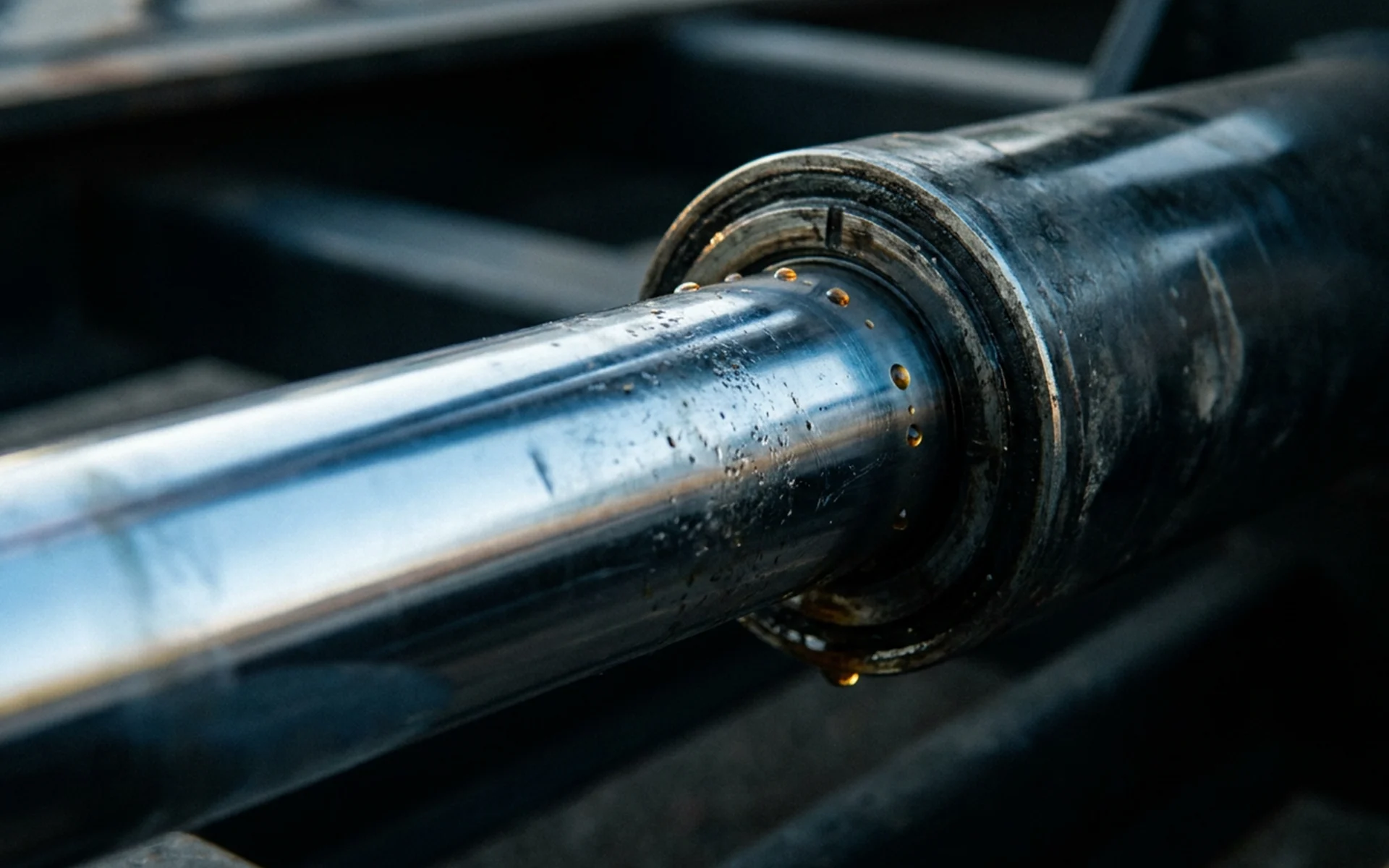
A film of oil on a cylinder rod, a hose fitting, or a valve body is a leak, even if it isn't dripping yet. Check your reservoir — if the level creeps down between services, the fluid is going somewhere. A weeping seal is cheap to deal with now. Left alone, it turns into a blown seal or a hard line that lets go under load, and a mess on the shoulder. Leaks also let air in, which is what causes the slow, jerky movement in the first sign.
This is the one to take seriously. If a loaded deck slowly settles or drifts down after you've set it, a cylinder seal is bypassing internally — fluid is slipping past where it shouldn't. A deck that won't hold isn't just a repair problem, it's a safety one: it's carrying a car, over the road, sometimes over your own hands or another driver's. Don't run loaded on a cylinder that drifts.
Your hydraulic pump has a normal working sound, and you know it by heart. When it starts to whine, groan, or growl — especially a high, sharp cavitation whine — it's usually starved for fluid or pulling in air. Keep running it that way and you're wearing out the single most expensive part in the system. Low fluid is a five-minute check. A burned-up pump is a tow and a wait.
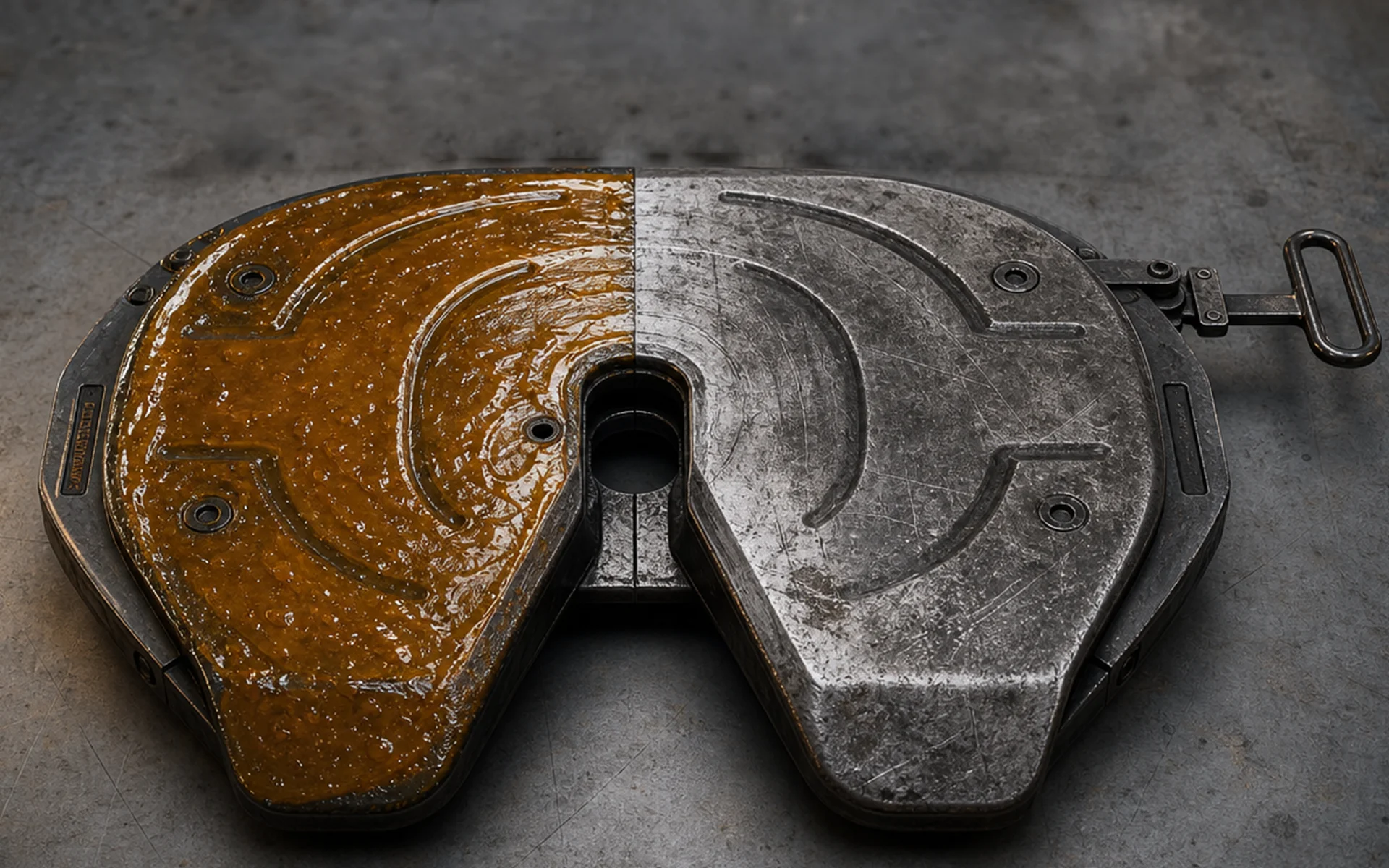
Pull the dipstick or check the sight glass. Healthy hydraulic fluid runs clear to amber. Milky or foamy fluid means water or air has gotten in. Dark, thick, or burnt-smelling fluid means it's been overheating or it's long overdue. Bad fluid doesn't just sit there — it chews up seals, valves, and the pump, turning a fluid change into a rebuild if you leave it.
Most of these start small, and most of them strand you if you wait. That's the whole case for catching them early: a seal or a fluid change is a same-day job — a failed cylinder or a burned-up pump is days down waiting on parts most shops have to order.
At Fleet Service Center, the hydraulic and cylinder parts for car-hauler equipment are on the shelf, not on order, and the shop is run by someone who spent years running this equipment himself. If any of these signs sound familiar, get it looked at before the deck quits on a load. Same day in most cases, next day at the latest — in English, Russian, or Spanish.