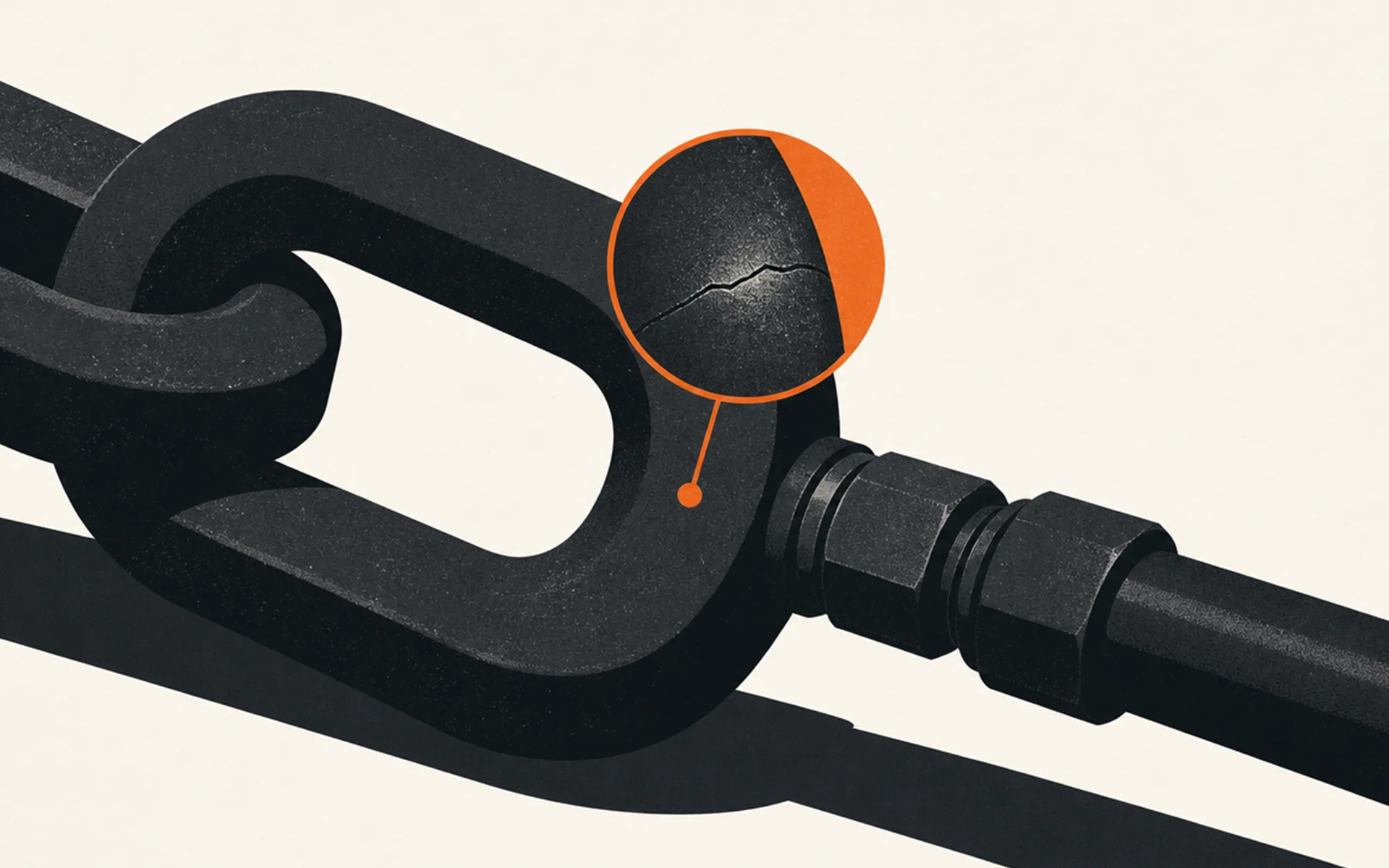
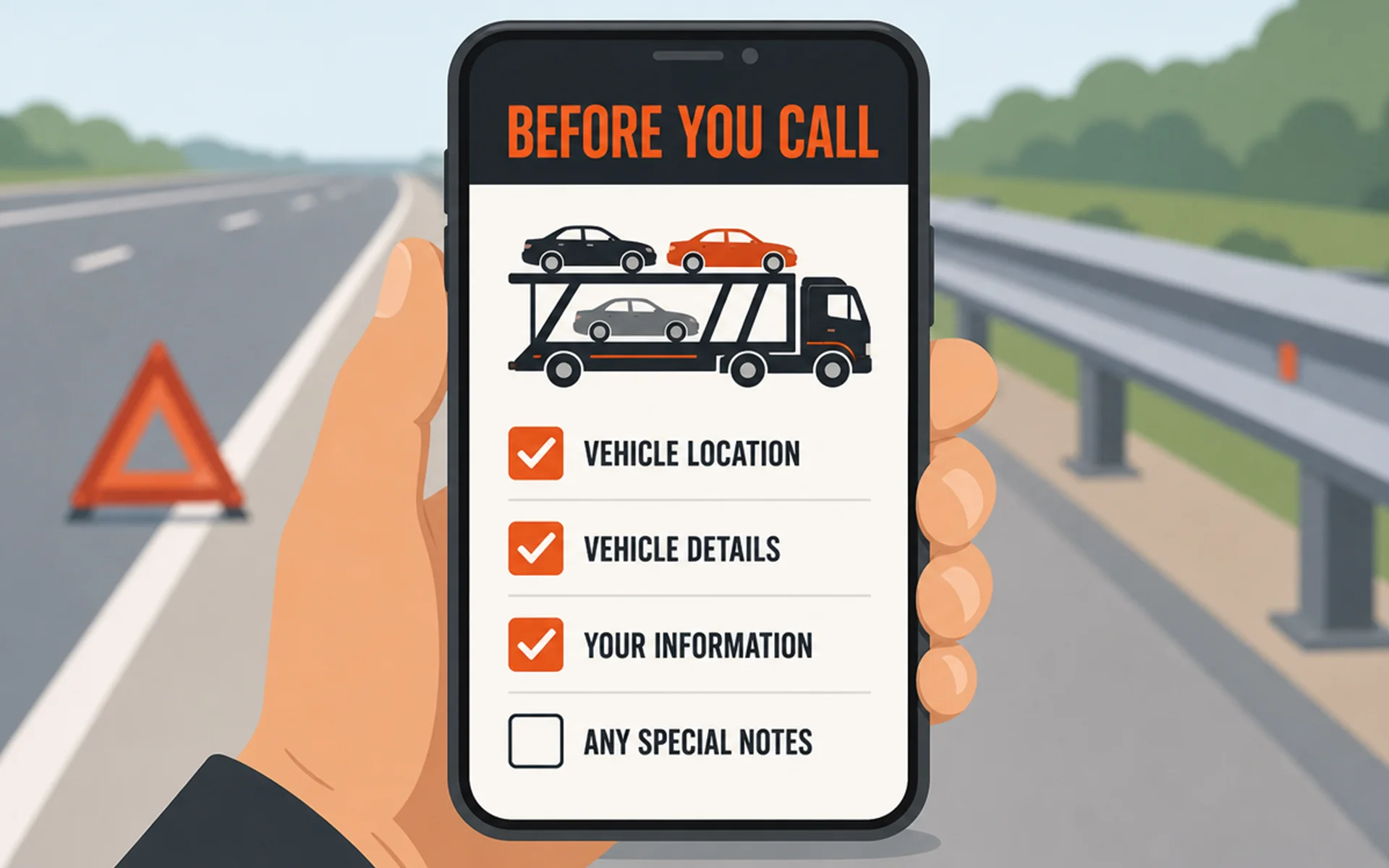
Nobody schedules a breakdown. But most roadside failures — the blown line, the seized cylinder, the tire that lets go, the light that puts you out of service at a scale — start as something small that a check would have caught weeks earlier, on a lift, for a fraction of the cost. That's the whole point of preventive maintenance: it trades a little planned downtime for a lot of the unplanned kind. And on a car hauler, the checks that matter most are the ones generalist shops skip — the load-handling equipment. Here's what keeps a car hauler earning.
The Load-Handling Equipment Most PM Skips
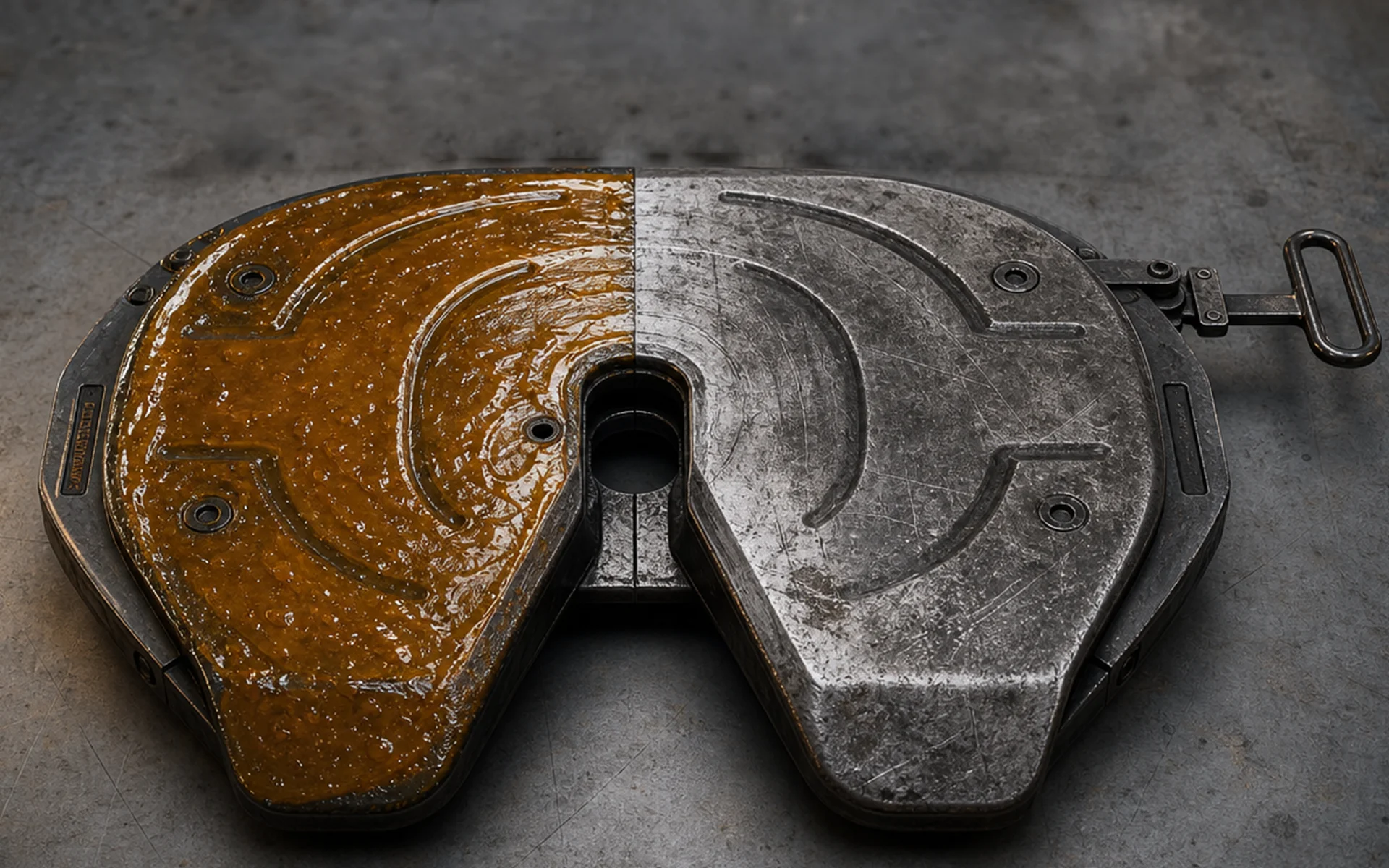
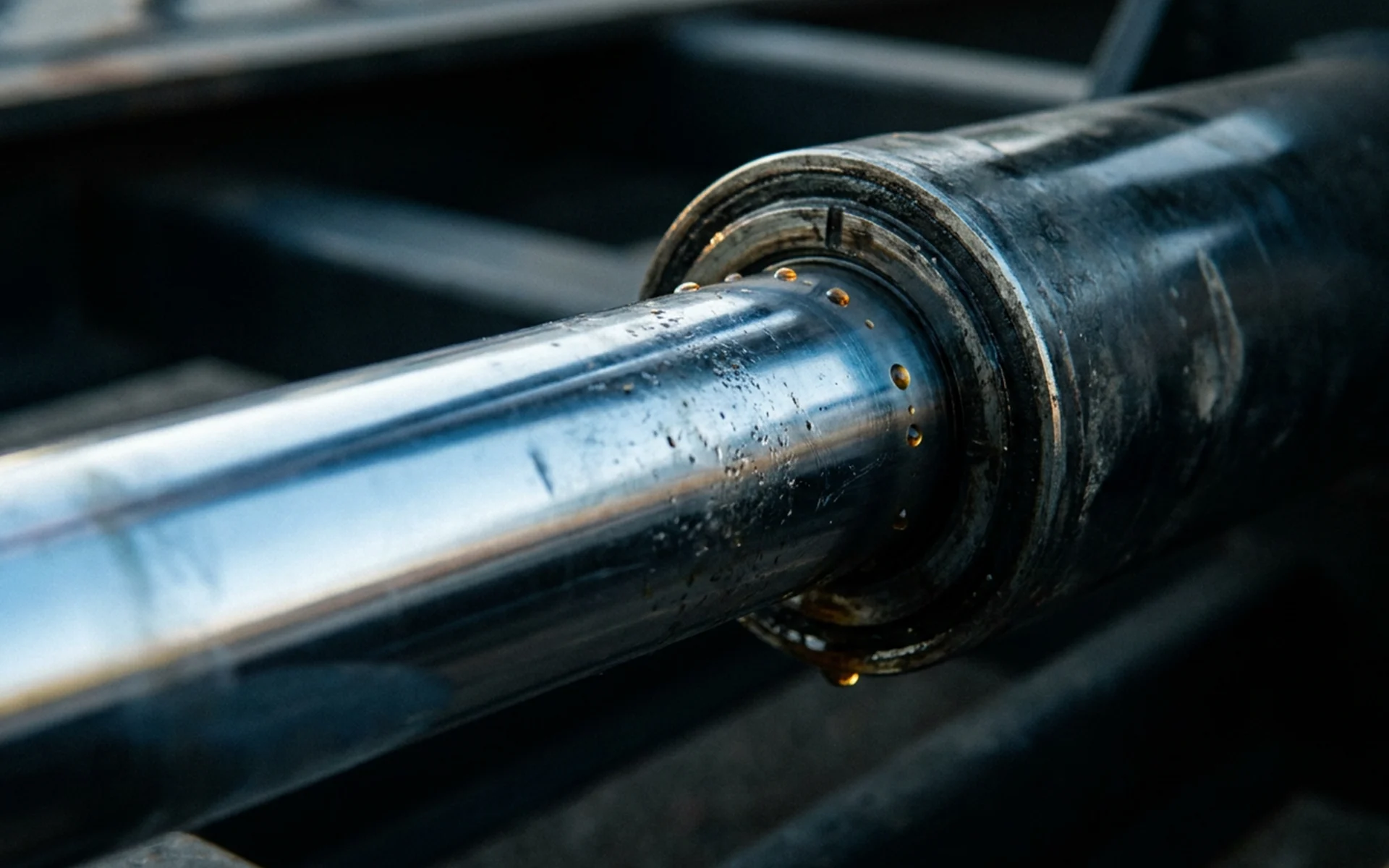
A standard PM covers the truck and usually stops there — which on a car hauler leaves out the equipment that actually makes you money. Your hydraulics, cylinders, and fifth wheel take constant load and constant flex, and they wear in ways a chassis-only inspection never looks for. Check the hydraulic fluid and hoses for leaks and the cylinders for drift, the fifth wheel for play and grease, and your tie-down chains, ratchets, deck pins, and anchor points for wear and cracks. This is the difference between PM that keeps a car hauler running and PM that just changed your oil.
Brakes and the Air System
Brakes are where a small problem becomes an out-of-service — or worse — fastest. On a schedule, look at pad and shoe thickness, drums and rotors, slack adjusters, and the air system for leaks and slow build-up. Car haulers run heavy and run often, and that wears brakes faster than the calendar suggests. Catching a thin shoe on a lift is routine. Finding out on a downgrade is not.
Tires
Tires cause more roadside failures than anything else, and they tell you the most when you actually read them. Check tread depth and pressure at every position, and look at how they're wearing — irregular or one-sided wear usually points to an alignment or suspension issue upstream, not just a bad tire. Running heavy on a tire that's already talking to you is how you end up swapping it on the shoulder in traffic.
Fluids, Filters, and the Driveline
Oil, coolant, and filters on schedule are the cheapest insurance you'll ever buy. Beyond the change itself, PM is your chance to spot the leak that's just starting, the level that's dropping between services, and the fluid that's gone dark or milky before it turns into a bigger repair. Catching a seep now beats a tow later.
Lights and Electrical
A car hauler carries a lot of lights, a lot of wiring, and a lot of connections that live out in the weather and take abuse every load. One dead marker or a corroded ground can put you out of service at a scale and cost you the day. Walk every light, check the connections and grounds for corrosion, and fix the small electrical gremlin before it strands you — or hands a DOT officer a reason to pull you in.
Keep It Earning Instead of Waiting for the Breakdown
Preventive maintenance only pays off when it actually covers a car hauler — the equipment as well as the truck. At Fleet Service Center, PM is done by people who ran this equipment for years and know exactly where it wears, with the car-hauler parts on the shelf if a check turns something up — so a small find gets fixed the same day instead of scheduling you back for another visit. Catch the small thing before it costs you a day. Same day in most cases, next day at the latest — in English, Russian, or Spanish.